Performance is built in the field: our experts share their hands-on experience and their perspective on the real-world challenges of waste sorting.
Aktid Deciphers - The bale is in the… sorting centre
Packaging, a key link in the chain
In a sorting center, performance does not depend solely on sorting equipment. One often less visible stage, the packaging of materials, can on its own compromise the availability of the entire facility.
Packaging is a genuine bottleneck: just one or two balers may be responsible for evacuating materials from as many as 10 to 15 silos. Everything therefore depends on the ability to bale materials at the same rate as they are produced.
When a silo reaches capacity, it can no longer receive any more material. The entire line then has to stop. A delay of just a few minutes in emptying a silo can therefore be enough to bring production to a halt. Packaging is therefore not simply a logistical step: it is a key link in the process and a genuine lever for managing production.
Why is baling so demanding?
Contrary to popular belief, baling is not simply a matter of operating a baler.
Throughout the day, an operator must constantly monitor the fill levels of the different silos, identify which one needs to be prioritized, open and close the silos, select the appropriate compaction recipe, monitor the baling cycle, collect the bales produced, and then store them.
This succession of tasks fully engages the operator and requires constant attention to changes in the materials being produced.
Why is monitoring silo fill levels so critical?
When a silo is full, it can no longer receive any additional material. The entire sorting line is then forced to stop.
However, not all silos fill up at the same rate. The fullest silo is therefore not necessarily the one that needs to be emptied first: the challenge is to anticipate which silo will reach its maximum capacity first.
At some sorting centers, this anticipation is even more critical because certain silos have only 20 to 30 minutes of buffer capacity. If the operator is already busy with another task or misjudges which silo should be emptied first, the risk of a shutdown becomes significant.
On a daily basis, the operator must therefore constantly decide:
- which silo to empty first;
- how much material to send to the baler;
- which recipe to use depending on the material;
- the criticality level of each silo.
These decisions rely largely on the operator’s experience, knowledge of the site and operating practices.
Why is producing a “good” bale so difficult?
Baling is not just about avoiding silo saturation. It must also ensure consistent quality of the bales produced.
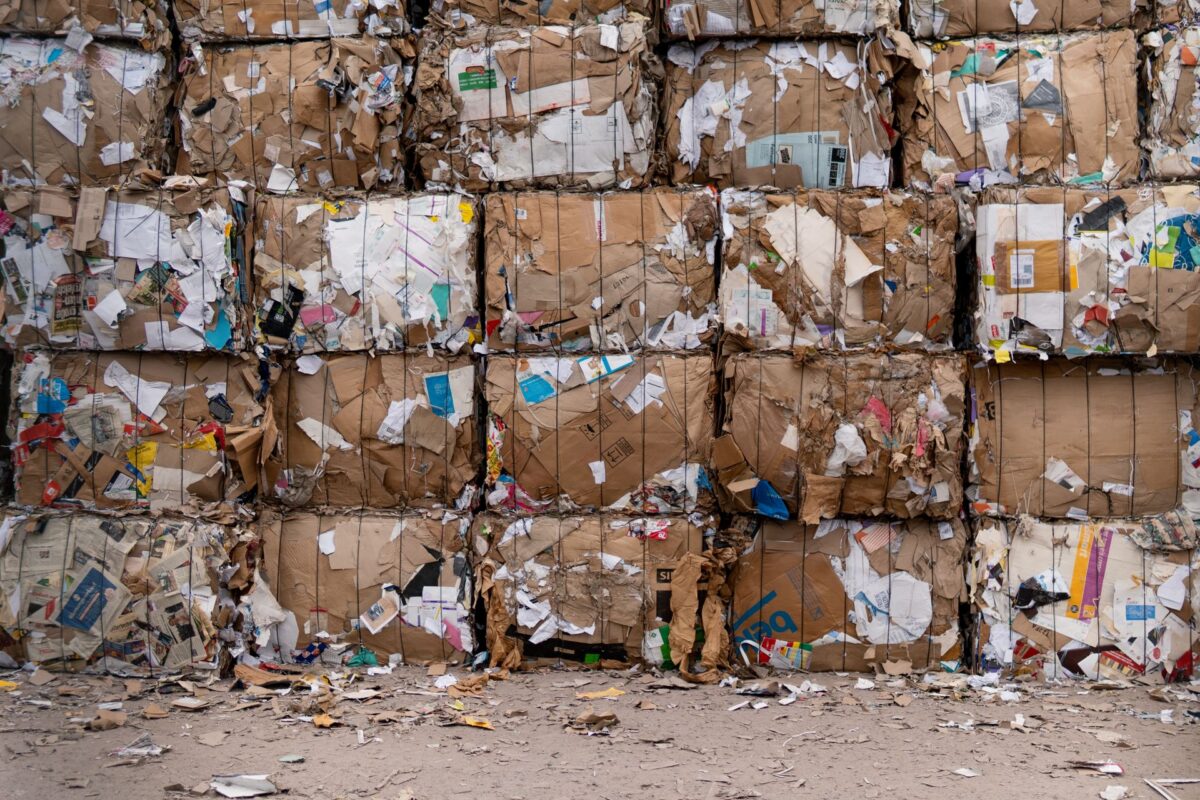
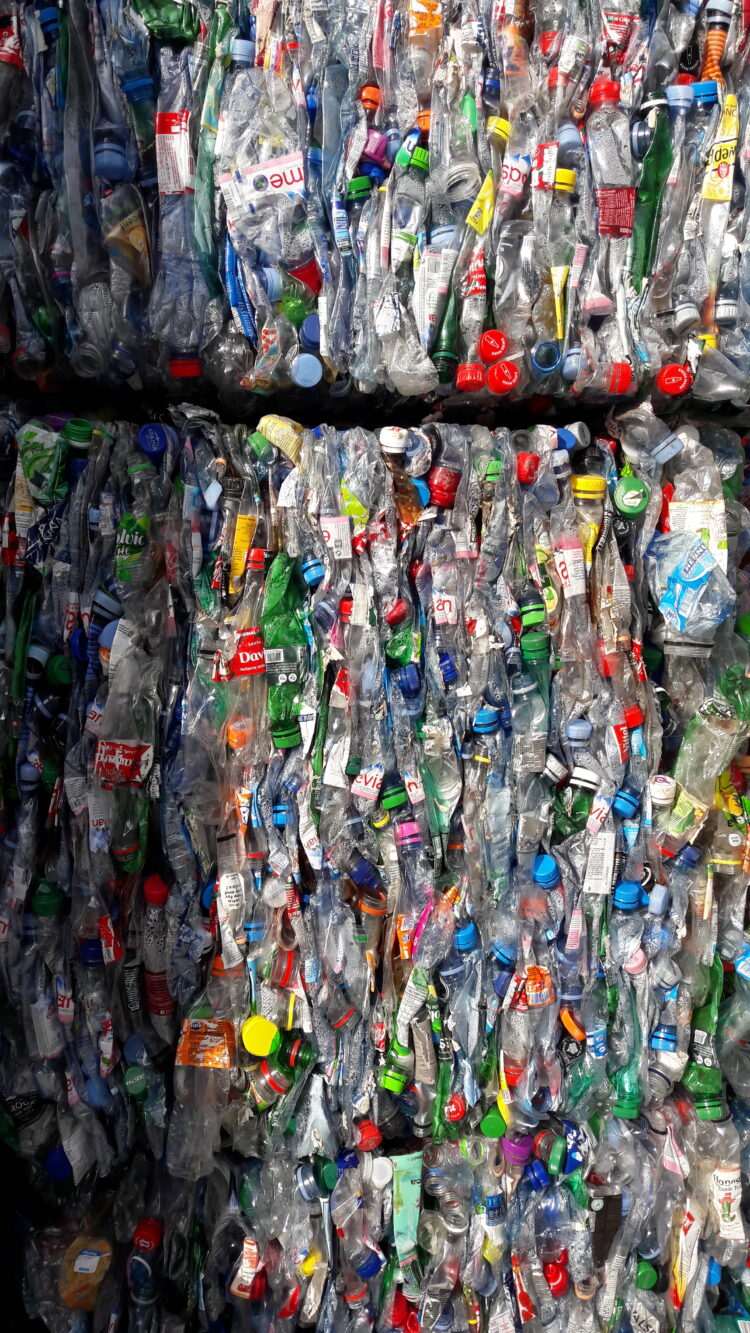
The goal is to produce homogeneous bales that are sufficiently dense, of consistent length, and easy to transport. Bales that are too irregular make storage more difficult, with a risk of unstable stacks, and prevent trucks from being loaded efficiently.
However, achieving this balance remains challenging.
To produce a bale, the operator must send the right amount of material to the baler, which varies from one material to another. If the quantity is insufficient, the bale will be too short and unsuitable for transport. Conversely, if too much material is sent, the first bales will meet the required specifications, but there will not be enough material left to produce one final complete bale. This results in partial bales that are difficult to handle and often need to be broken up and fed back into the process.
There is another challenge: since each material has its own density, it requires its own compaction recipe. The operator must therefore select the appropriate recipe whenever the material changes to ensure that the bales meet specifications and to prevent compaction defects.
What solutions can be implemented?
The first response naturally lies in relying on experienced teams and standardizing best practices for baling.
However, this approach quickly reaches its limits. Operators have to manage numerous priorities simultaneously, such as storage and loading, and therefore cannot remain constantly in front of the baler control screen to monitor how the silos are filling up. At the same time, sorting centers are moving towards more compact silos, offering less buffer capacity than before. Every dosing or prioritization error therefore has more immediate consequences for the operation of the process.
This complexity becomes even greater on sites equipped with a second baler or a secondary feed, where baling decisions become even more numerous.
Another approach is to oversize the baler in order to increase the baling rate and provide greater operational flexibility. However, this solution represents a significant investment for equipment that, in most sorting centers, is only active around 50% of the time. The challenge is therefore less about increasing its capacity than about optimizing its use.
Towards fully automated baling
To secure this stage, baling automation solutions can be deployed.
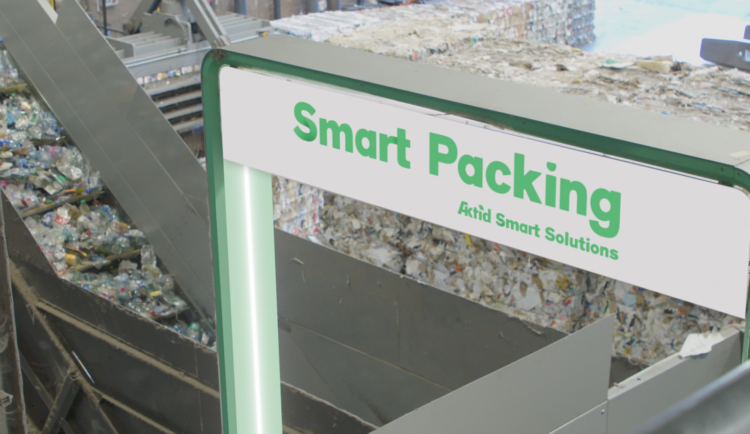
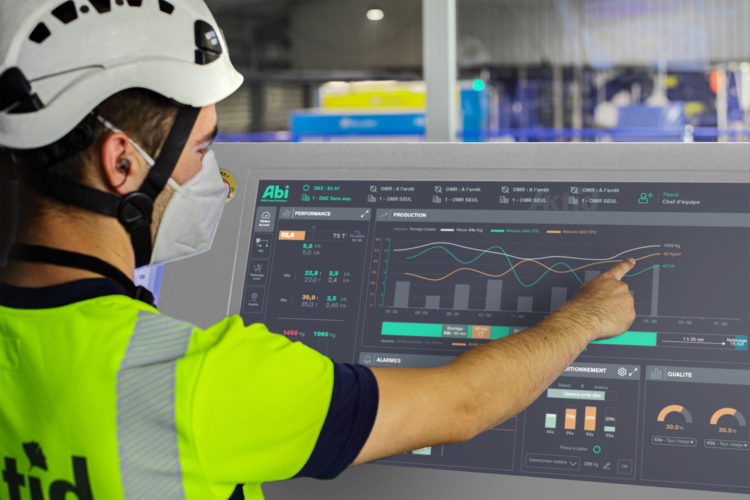
This is the role of Smart Packing, which automatically takes over the entire control of the baling process.
The solution determines which silo should be emptied first, controls the opening and closing of the silos, adjusts the amount of material being sent, controls the conveyors, automatically selects the appropriate baler recipes, and oversees the entire compaction cycle.
By automating these repetitive tasks, Smart Packing enables operators to save up to two-thirds of the time normally spent on baling. They can therefore devote more time to higher-value tasks, such as bale storage, logistics or maintenance.
A decision based on process data
To make the right decisions, Smart Packing relies on the data available from the installation: silo fill levels and positioning, feed rates, the mechanical characteristics of the conveyors, baler recipes, and the theoretical densities of the different materials.
Additional sensors can also detect certain phenomena, such as material avalanches on the conveyors, to check that they are actually empty, or identify potential risks of blockages.
By combining this information, the system can anticipate which silos will become critical and automatically schedule silo emptying before problems arise.
Automation for improved performance
Automating the baling process first and foremost ensures process continuity by preventing shutdowns caused by full silos. It also optimizes the use of the baler by anticipating material changes: while one material is being baled, another can be prepared and conveyed to the baler. The aim is therefore to minimize waiting times and keep the baler running continuously. This improved use of the baler can either increase the throughput of an existing facility or, in a new project, reduce the required baler capacity by 25% while maintaining the same level of performance.
By combining the additional operating time recovered with the operator time saved on baling, this optimization represents an operating gain of at least €250,000 per year for a sorting center.
The solution also helps produce more consistent bales, reduce handling errors, optimize truck loading and reduce the time operators spend on repetitive tasks.
And what’s next?
Beyond baling automation, Smart Packing paves the way for increasingly detailed traceability of the materials produced. Connected to Smart Quality, it could in the future automatically associate each bale with its material type, weight and quality level. This development would help document the performance of sorting centers more effectively and enhance transparency with downstream buyers.
© Aktid
EXPERT PERSPECTIVES
“The operator no longer has to constantly decide which silo to prioritize: they can focus on storage, logistics and maintenance.”
Alex
Innovation Project Manager at Aktid
In the upcoming articles of this series, our experts will continue to share their experience and insights, shedding light on the practical challenges faced by sorting centers, always close to field realities.
Aktid Smart Solutions®: towards Sorting Facilities 5.0
Through a range of solutions combining new technologies and industry expertise, AKTID supports operators in adapting to the future developments of the sorting industry.