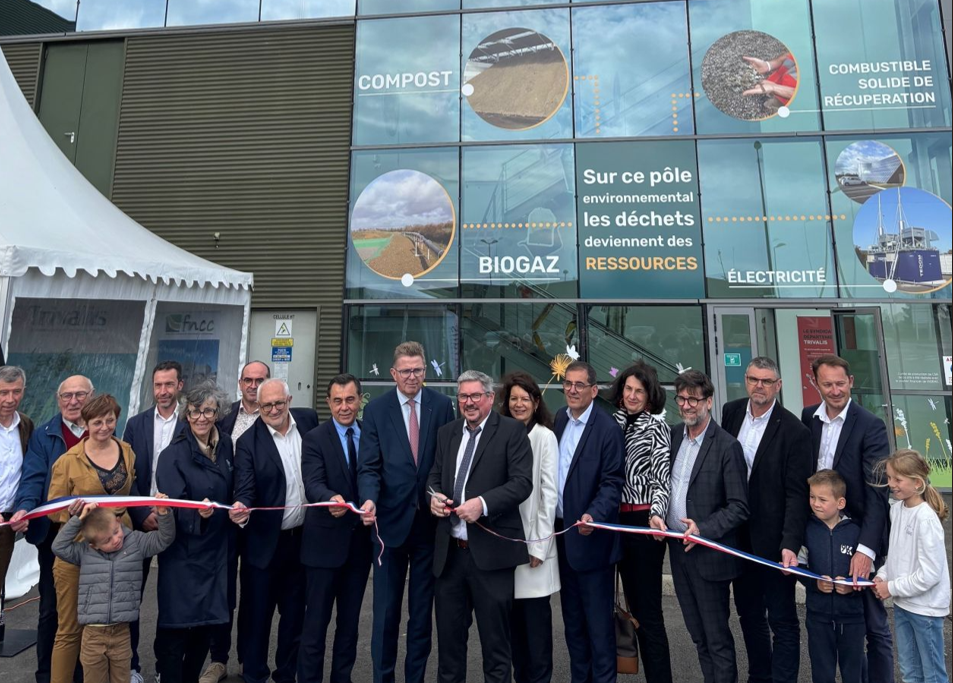
Inauguration of Trivalandes’ SRF Production Unit
An SRF production unit using rejects from the UVEOR facility
Unlike most SRF production units in France, which rely on non-recyclable waste from selective collection, bulky waste, or commercial and industrial activities, the Trivalandes facility is based on a different approach.
It recovers sorting rejects from the territory’s energy and organic recovery units (UVEOR), formerly known as mechanical-biological treatment (MBT) plants.
This specific approach makes it possible to efficiently treat residual household waste while producing high-quality SRF intended for industrial energy uses. The facility is part of a global performance contract, combining recovery targets with commitments on the quality and offtake of the fuel produced.
A high-performance facility
The Saint-Christophe-du-Ligneron facility is designed to process nearly 50,000 tonnes of waste per year, equivalent to around 20 tonnes per hour. This installation enables:
- a minimum recovery rate of 54% of the waste treated,
- an annual production of at least 15,000 tonnes of SRF,
- a guaranteed offtake of the SRF, mainly by cement plants located within a radius of less than 150 km, as well as by other industrial users.
These commitments ensure both the stability of outlets and the long-term viability of the local waste-to-energy recovery sector.
A state-of-the-art SRF preparation process
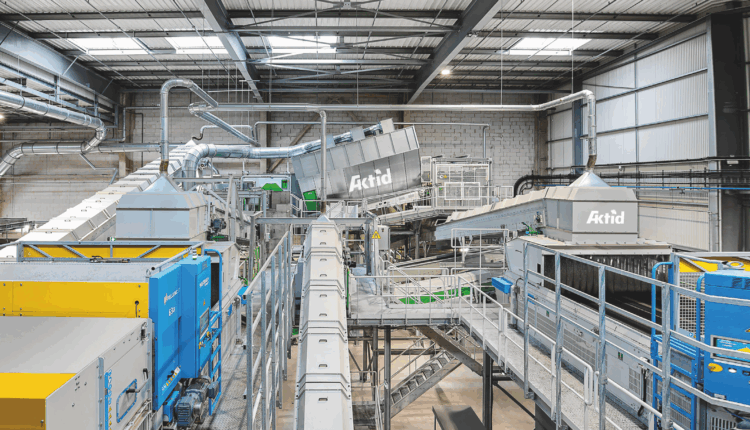
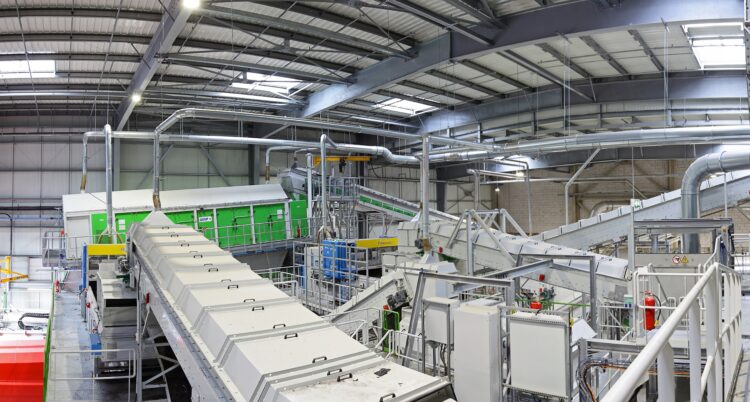
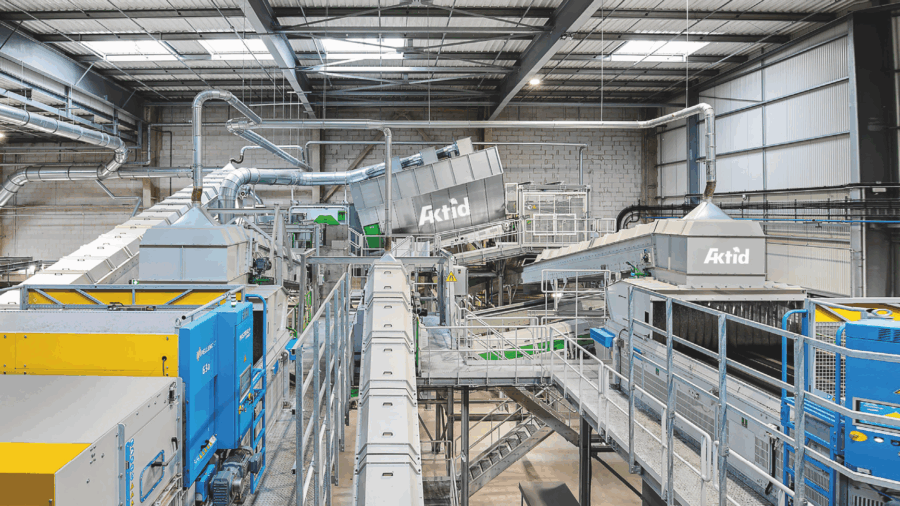
The production line implemented by Aktid is based on a sequence of machines specifically designed for this type of waste stream. The process includes several key stages:
- Size-based separation of waste
- Size reduction of the largest elements
- Air separation to direct fractions either to rejects or to recovery
- Extraction of ferrous and non-ferrous metals (overband magnet and eddy current separator)
- Removal of PVC by optical sorting, due to its chlorine content
This configuration makes it possible to produce two distinct SRF grades: one intended for industrial boilers, the other for cement plants. At the end of the line, a lower heating value (LHV) analyzer monitors the quality of the fuel produced in real time.
A facility designed for a complex waste stream
The nature of the incoming waste stream—made up of material contaminated with odorous organic fines—required a specific adaptation of the process. All conveyors and equipment are fully enclosed, and a 100,000 m³/h multi-point extraction system directs foul air to a dedicated air treatment unit for dust removal and air scrubbing, ensuring controlled operating conditions.
Smart Solutions to Secure Performance
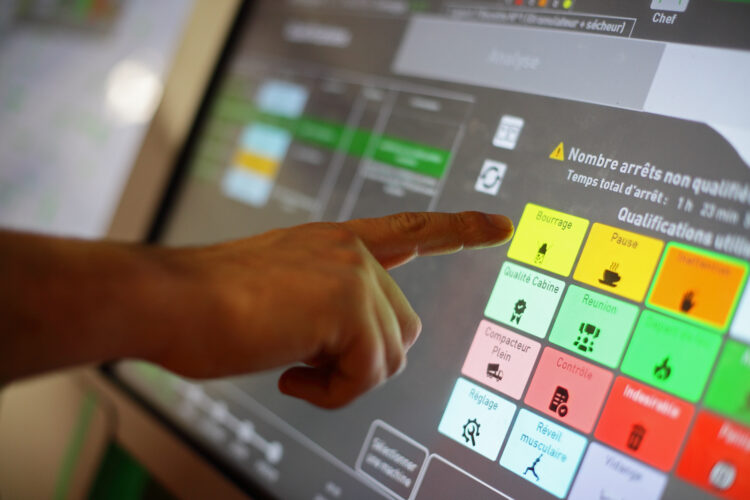
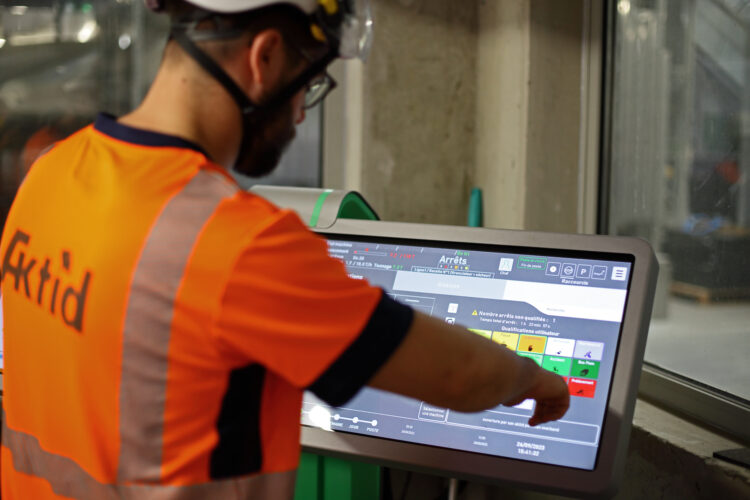
The Trivalandes unit integrates several Aktid Smart Solutions designed to automate and secure the reliability of the process. In particular, the line is supervised by ABI (Aktid Business Intelligence), which provides the operator with a real-time view of production and performance.
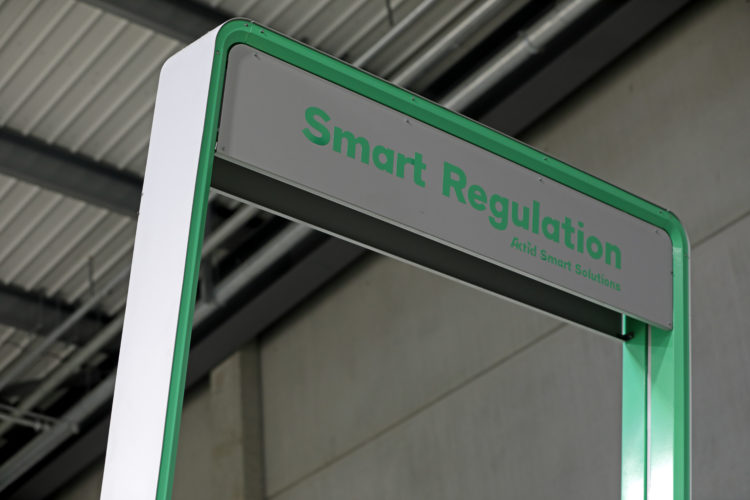
In addition, Smart Regulation helps maintain a constant flow along the line, limiting jamming or clogging phenomena linked to the moisture content of the waste stream and contributing to improved availability of the installation.
A concrete response to the challenges of the energy transition
Thanks to this unit, Trivalis significantly reduces landfill disposal across its territory and fully aligns with the objectives of the energy transition law, which aims to cut landfilling by 50%. The SRF produced provides a local energy source, contributing to the decarbonization of the energy mix used by industrial consumers.
🎥 Discover the facility on video
The embedded video offers an inside look at the Trivalandes unit, its process, and the industrial and territorial challenges it addresses.