
Because the performance of sorting centers is built first and foremost on the ground, our experts share their feedback from the field and their vision of the ch
1735 kb

Aktid Decrypts - When christmas magic gets tangled
Blockages : the leading cause of downtime
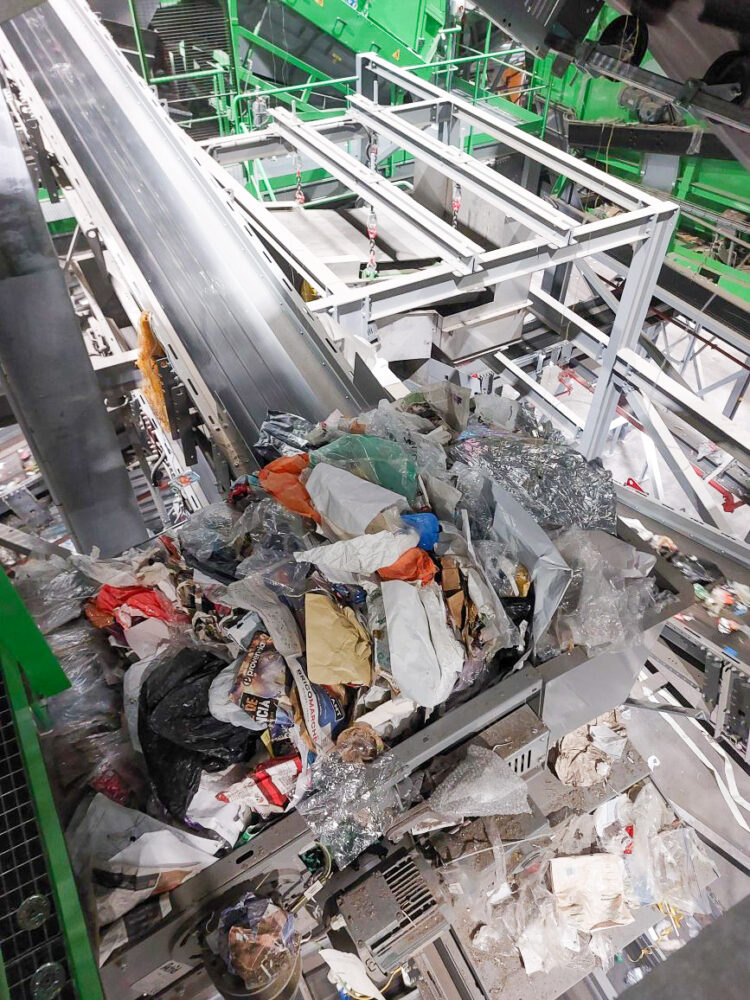
The end-of-year holidays are over ! As every year, sorting centers see a flow of unusual waste – including Christmas trees and their nets.
These seasonal contaminants, well known to operators, are responsible for numerous blockages on sorting lines, putting both installations and teams under severe strain.
Today, blockages are the most frequent cause of unplanned downtime in sorting centers. They can account for up to 60% of unexpected stoppages, with a direct impact on operations. At the scale of a single line, repeated interruptions can result in several thousand tons of lost production per year, not to mention the human and material consequences.
137 kb

268 kb
Heavy consequences for operations
Analysis of data collected by Aktid is unequivocal : blockages are the primary and most penalizing cause of downtime, particularly on packaging materials sorting installations, which experience an average of six stoppages per day.
- Operational and financial impact : each stoppage results in immediate production losses, with interrupted flows and teams mobilized without added value. These operating losses regularly exceed €150,000 per year.
- Strain and safety : unblocking operations are physically demanding, unpleasant, and sometimes dangerous for operators.
- Impact on sorting quality : after a restart, the blockage must be purged before the process can return to nominal operation.
- Equipment wear : frequent overloads accelerate wear on installations, leading in the short term to a higher risk of belt tearing and, in the longer term, to more frequent maintenance requirements.
Anticipating rather than reacting
Faced with these recurring field observations, Aktid’s innovation team focused its work on solutions that allow operators to get ahead of blockages, rather than suffer unexpected shutdowns.
On-site analyses have shown that a conveyor blockage does not form instantaneously. Between the first signs of overload and a complete equipment stoppage, up to seven minutes can elapse – minutes that are often lost, yet decisive. Until now, these weak signals were difficult to exploit in a complex industrial environment.
39 kb


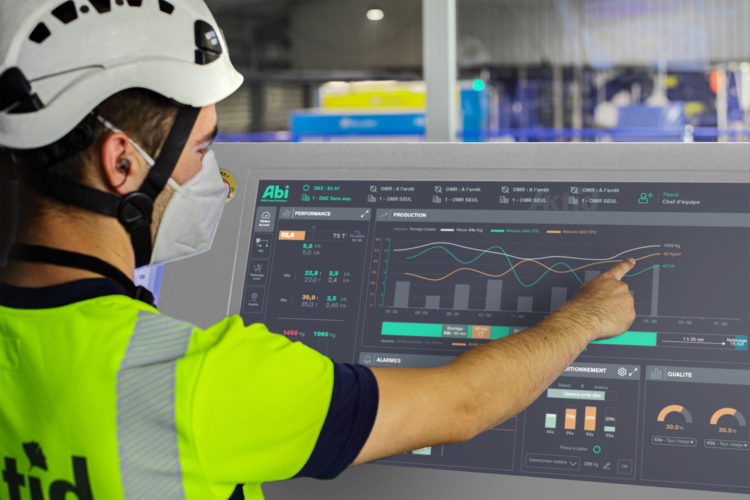
In this context, the innovation team developed a real-time equipment analysis tool, based on artificial intelligence, to detect early warning signs of blockages: Smart Predict.
Designed as a decision-support tool, it complements existing practices by providing early alerts to operators before a blockage fully forms. Its effectiveness largely relies on its adaptability: from one sorting center to another, equipment criticality and operating constraints vary, making site-specific parameter settings essential.
In the field, its use has led to a 35 – 40% reduction in downtime related to blockages, resulting in a significant availability gain – around one additional point for the installation.
These figures more broadly highlight the growing importance of mastering operational data, which has become a central issue for sorting centers. Better understanding what happens on the line means being able to act earlier, more effectively, and to continuously improve practices – now a crucial competitive advantage.
84 kb
© Aktid
EXPERT INSIGHTS
“Because sorting center performance is built first and foremost in the field, our experts share their feedback and their perspective on the challenges of waste sorting”
Adrien.S
Innovation Project Manager at Aktid